Heated bidet seats in Australia
Why a warm ring and warm water matter in a country that still builds unheated bathrooms, and when heat is wasted money.
Published 2026-02-25 · Updated 2026-06-30 · 10 minute read
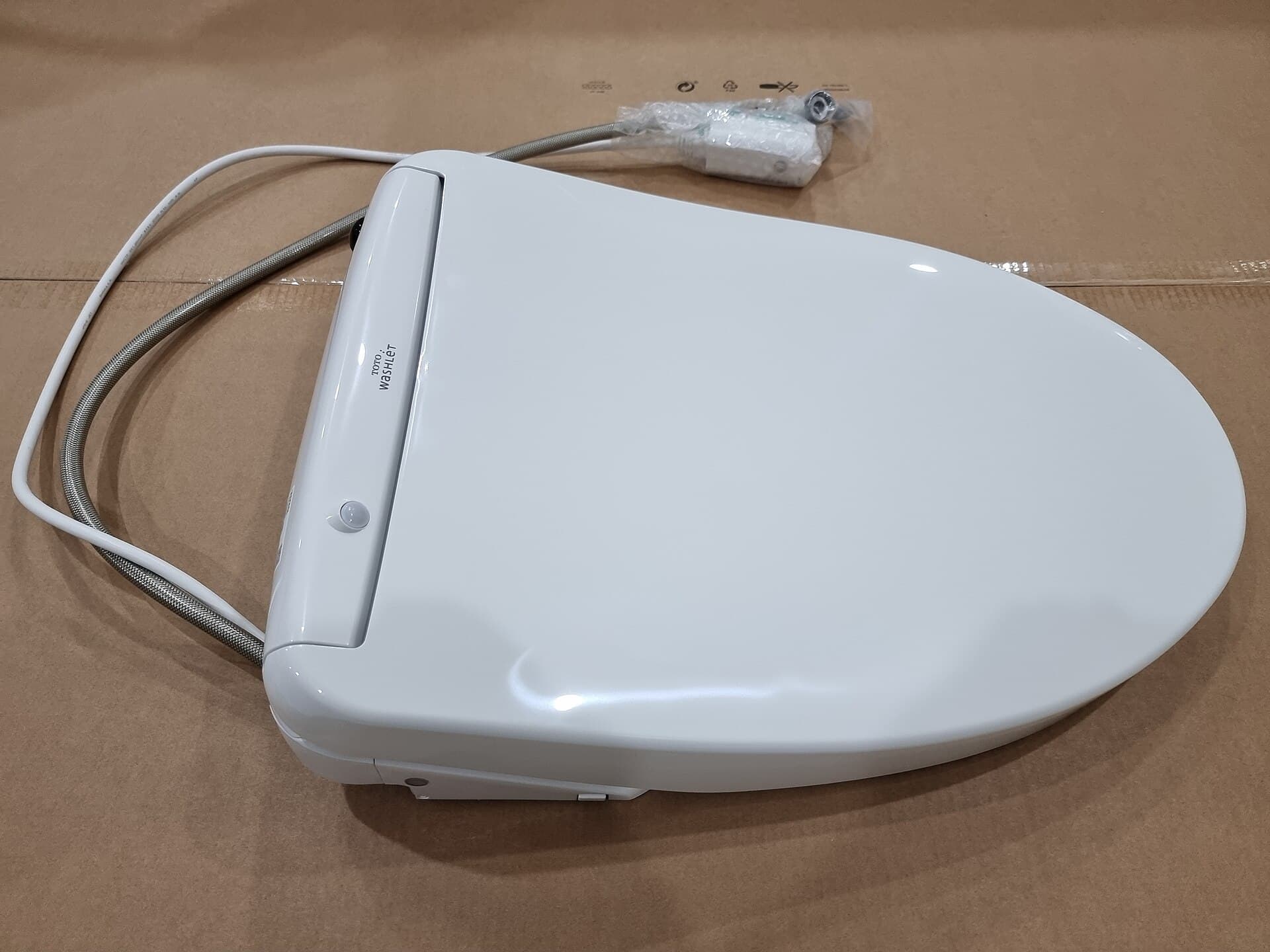
Photo: Toto Washlet TCF8WW88, top view by Benlisquare, via Wikimedia Commons, licensed CC BY-SA 4.0. Also listed on the image credits page.
Australian bathrooms are often the coldest room in the house. Tiles, a window that never shuts properly, a southerly that finds the exhaust fan. In that room, “heated bidet seat” is not a gadget. It is the reason someone will use the wash in July.
Heat, here, means two different systems: the water and the ring. You can have one without the other. You should know which one you are paying for.
Warm water is the feature people describe later
Ask owners six months on and they talk less about nozzles and more about not bracing. Cold mains water on sore skin is why some households abandon a cheap attachment. Warm water is the bridge to daily use after haemorrhoids, after birth, and for older Australians who already find the bathroom a negotiation.
It is still water, not medicine. The health and hygiene hub is careful about that line.
The ring is winter hospitality
A heated seat is a kindness at 5am and a problem if someone in the house has reduced sensation. Lowest setting, eco timer, and a household conversation beat a default of “high”.
If electricity is the anxiety, measure it like an adult. The seat heater is not your hot-water system. The tankless water heater is the hungrier circuit, which is why power points for electric bidet seats and a residual-current device are part of the same decision as the warmth.
Heat and the rest of the feature stack
A heated seat is usually an electric seat, which means you are already in the world of electric versus non-electric. The dryer is a separate kindness. Night lights are not heat. Remotes are not heat.
People shopping from a hotel memory of a Japanese suite should read Japanese washlets versus Australian bidet seats. Hotel firmware is not what a suburban GPO will run.
When to skip the heater
Skip it if you live somewhere the bathroom never really gets cold, if you are testing the habit on a renter’s budget, or if there is no safe way to add power this year. A good non-electric wash still beats paper. You can upgrade the lid later; you cannot upgrade a burned-out cheap heater as easily as a salesperson suggests.
For the wider choosing framework, return to which bidet seat for you. For the buttons around the heat settings, use bidet seat features explained.
Questions readers actually ask
- Do heated bidet seats use a lot of electricity?
- A seat heater is a small appliance. On eco or low settings it is closer to a phone charger than a bathroom fan heater. The water heater uses more, especially tankless units on high flow.
- Can I use a heated seat without a dryer?
- Yes. Many mid-range Australian-sold seats heat water and the ring but leave you to pat dry. That is still a better winter experience than a cold non-electric seat.
- Are heated seats safe for numb skin or reduced sensation?
- Use the lowest setting and treat heat as a burn risk if sensation is reduced. An occupational therapist or clinician should weigh in when neuropathy or spinal injury is involved.
Keep reading
- First time using a bidet seat
A written version of the old site’s virtual bidet experience — what the first washes feel like, what to expect, and how not to flood the floor.
- Bidet seat features explained
A plain-English map of wash modes, heaters, dryers, remotes and the buttons you can ignore on an Australian bidet seat.
- Electric versus non-electric bidet seats
Warm water, dryers and remotes against the quieter honesty of a cold-water seat that does not need a GPO.