Which bidet seat for you
A practical Australian way to choose among cold-water seats, heated electric lids and full washlet features without drowning in catalogue language.
Published 2026-02-04 · Updated 2026-09-18 · 14 minute read
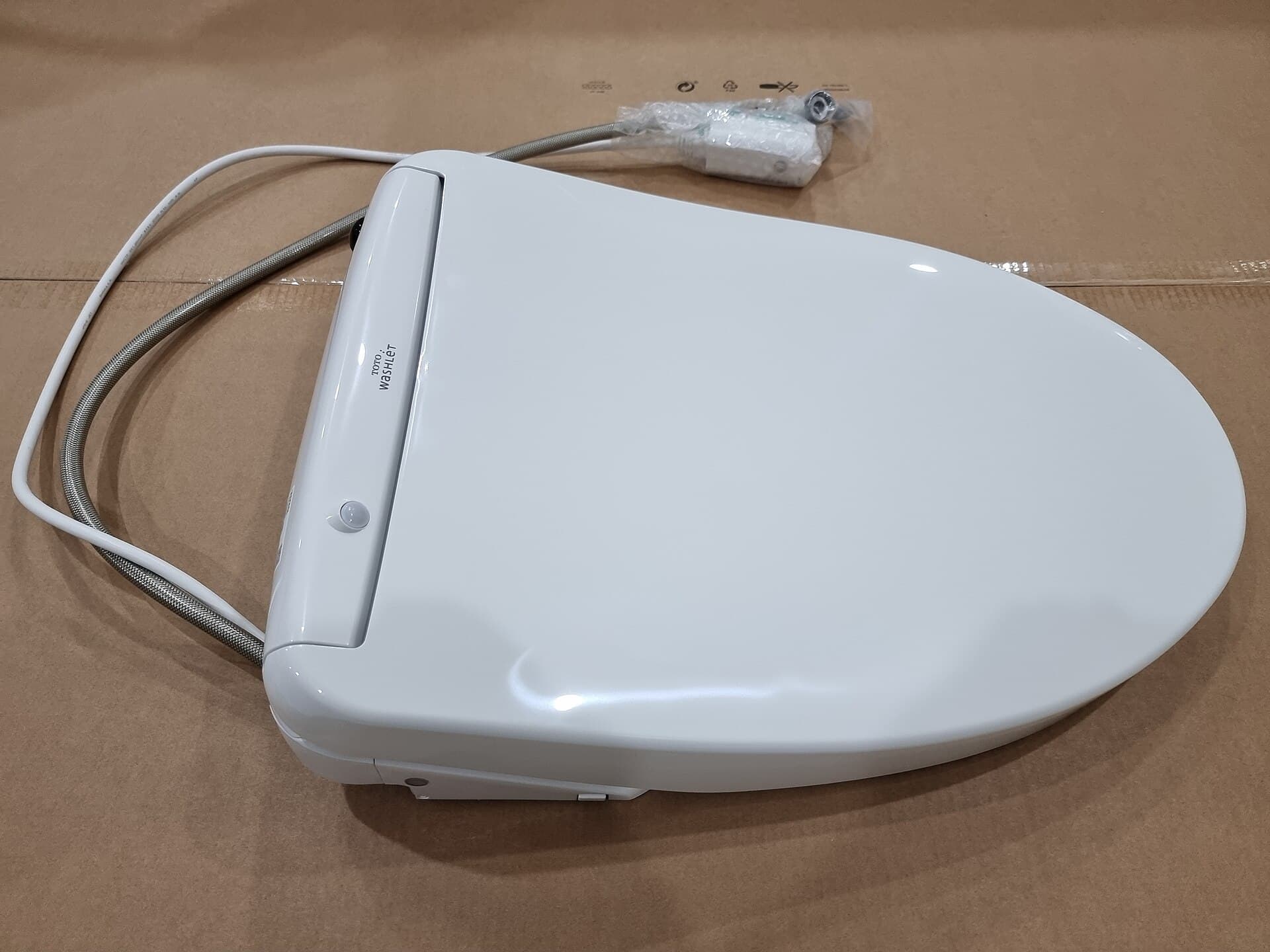
Photo: Toto Washlet TCF8WW88, top view by Benlisquare, via Wikimedia Commons, licensed CC BY-SA 4.0. Also listed on the image credits page.
The old Australian Bidet site asked this question in so many words: which seat for you. It is still the right question. The wrong question is “which brand is winning on a marketplace this week”. A seat has to fit an Australian pan, connect to drinking water under WaterMark rules, and suit the body that will sit on it every morning.
This guide is the long version of that conversation. If you already know you want an under-seat gadget or a handheld sprayer instead, read bidet attachments versus seats versus handheld sprayers first.
Start with the body, not the brochure
A retired teacher with stiff hips does not need the same lid as a renter who will take the hardware to the next flat. Write down the unglamorous facts:
- Who will use it, and can they twist to wipe.
- Whether warm water is comfort or a medical kindness.
- Whether a remote is easier than a side panel.
- Whether a 240-volt outlet exists within about 1.5 to 1.8 metres of the pan.
- Whether a licensed plumber can see the cistern inlet.
Those five answers eliminate half the catalogue. The accessibility hub is the better door if independence, NDIS or carers are the reason you are here.
The three Australian seat families
Cold-water non-electric seats replace the lid and wash from mains temperature. They are quieter, cheaper, and they do not care about a power point. They also shock people in July.
Electric seats add a heater — tank or tankless — plus, usually, a heated ring, adjustable spray, and often a dryer. They are the “Japanese toilet” experience Australians mean when they come home from Tokyo. See electric versus non-electric bidet seats for the trade-offs.
Integrated suites replace the whole pan. They look architectural and they cost like architecture. Most suburban bathrooms do not need one. The Japanese washlet versus Australian bidet seat essay explains when the suite is worth the demolition.
Features that change a Tuesday
Sales pages flatten every button into a virtue. In the room, only a few matter. Our bidet seat features explained piece walks through them; the short list is:
- Rear wash you can aim and soften.
- Front or feminine wash if that is part of the household.
- Water temperature that does not jump.
- A dryer if wiping is the hard part.
- A remote if shoulders or vision make a side panel a stretch.
- A nozzle that rinses itself and can be removed for a proper clean.
Heated seats are a winter luxury that some people treat as essential. That case lives in heated bidet seats in Australia.
Fit is a tape measure, not a vibe
Australian close-coupled pans are often D-shaped. Bolt spacing is commonly around 140 to 160 millimetres. Length from the bolt centres to the front rim decides whether a lid hangs over the bowl or leaves a cold gap. Fitting a bidet seat to an Australian toilet is the measuring essay; do that before you pay for freight from a warehouse that will not take a used seat back.
Wall-hung pans and concealed cisterns are not impossible. They are slower. The plumber needs access to the stop tap and a legal connection. That is a do you need a plumber question, not a Saturday YouTube question.
Compliance is part of choosing
A seat can be delightful and still be the wrong product to connect to drinking water. Bidet douche seats sit on the WaterMark Schedule of Products against WMTS-051. Look for the WaterMark, the licence number, and a listing you can search. WaterMark certification for bidet seats is the longer briefing.
Price belongs in how much a bidet costs in Australia. Renters should read bidets for renters before drilling anything, including a power point.
A first week, honestly
The first time using a bidet seat essay is the old site’s “virtual experience” in writing. You will use too much water. You will forget the dryer. You will wonder why you still reached for paper. By day four the novelty is gone and the habit is the point.
If hygiene is why you came — paper that hurts, a recovery, a stubborn sense that dry wiping is a bad design — keep going through health and hygiene. If the seat is for someone else, hand them bidets for disability and independence rather than a product link.
Questions readers actually ask
- What is the best first bidet seat for most Australian bathrooms?
- A WaterMark-certified electric seat with rear wash, a simple side panel or remote, and a shape that matches your pan. Skip enema modes and app control until the daily wash is boring.
- Can I put an electric seat on a round Australian toilet?
- Yes, if the seat is sold for a round or compact pan and the bolt holes line up. Measure length from the bolt centres to the front rim before you order a D-shape lid.
- Do I need warm water on day one?
- No. Plenty of households start with a cold-water seat or attachment. Warm water is the feature people miss most in winter, especially after childbirth or with haemorrhoids.
Keep reading
- First time using a bidet seat
A written version of the old site’s virtual bidet experience — what the first washes feel like, what to expect, and how not to flood the floor.
- Heated bidet seats in Australia
Why a warm ring and warm water matter in a country that still builds unheated bathrooms, and when heat is wasted money.
- Bidet seat features explained
A plain-English map of wash modes, heaters, dryers, remotes and the buttons you can ignore on an Australian bidet seat.