Dignity first
Accessibility and independence
Directory listings remembered Australian Bidet as an NDIS-facing supplier. This hub keeps the independence brief: less twisting, less wiping, less asking someone else to finish the job.
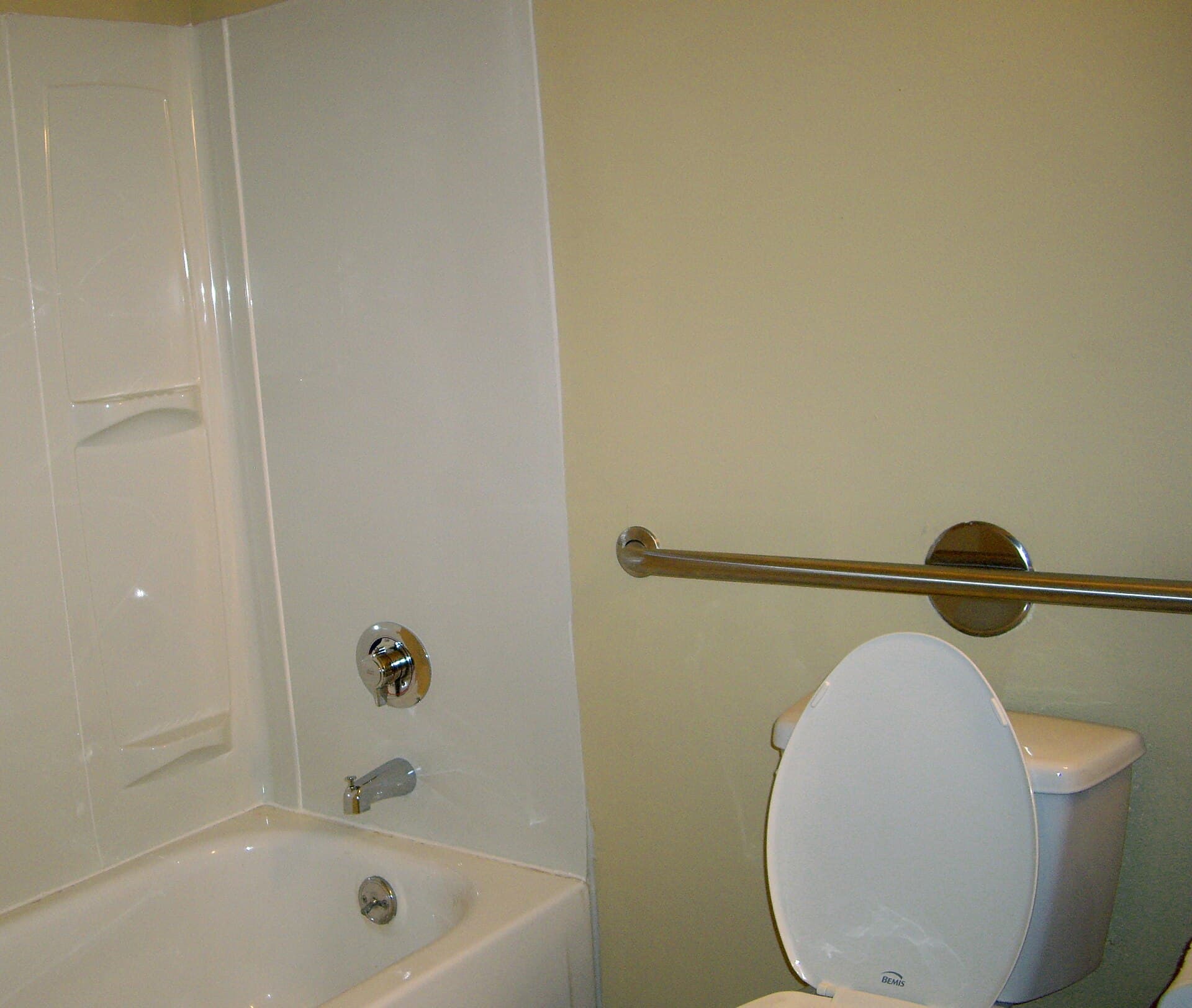
Photo: Grab bar by Gramody, via Wikimedia Commons, licensed CC BY-SA 2.0. Also listed on the image credits page.
A remote-controlled wash and a warm-air dry can change a morning for someone with arthritis, a spinal injury, or a new hip. They can also change a carer’s back. None of that is automatic funding, and none of it replaces an occupational therapist’s assessment.
For the plumbing side of an accessible bathroom, read installation and compliance. For the hygiene case that often sits underneath an NDIS conversation, see health and hygiene.
Guides in this hub
Bidets after surgery or injury
Temporary bathrooms after hips, bowels, births and broken shoulders — how a bidet seat helps when reaching is the injury.
Bidets for carers and aged care
What a bidet seat changes for the person who currently finishes someone else’s hygiene — at home, in a facility, or on a package.
Bidets for older Australians
Ageing, arthritis and tired bathrooms — why a bidet seat is often the least dramatic change that still protects dignity.
NDIS funding for bidet seats
How bidet seats show up in NDIS conversations — assistive technology, home modifications, evidence, and the claims a brochure cannot make.
Bidets for disability and independence
How a bidet seat can reduce the need for another person’s hands, and what still belongs to an occupational therapist.