WaterMark before the invoice
Installation and compliance
A seat that is legal to sell is not always legal to install. This hub is the unglamorous room: WMTS-051, WaterMark marks, WELS, GPOs and the reason DIY videos from other countries do not travel well.
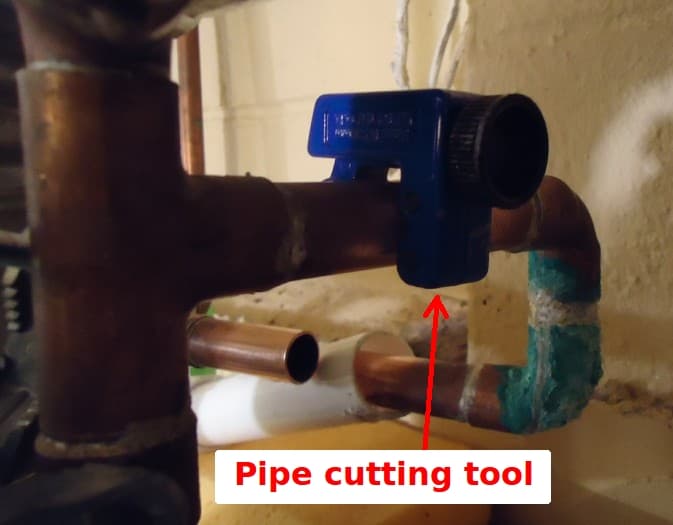
Photo: Tube cutter cutting copper pipe by Tomwsulcer, via Wikimedia Commons, licensed CC0 1.0. Also listed on the image credits page.
The Plumbing Code of Australia and the WaterMark Certification Scheme decide whether a licensed plumber may connect a douche seat to drinking water. Electric seats add a second trade: a 240-volt outlet within reach of the lid. Get those two facts right before you fall in love with a remote.
If you are still comparing hardware types, use the buying guides. If you need the seat to work with grab rails or a raised pan, keep accessibility open in another tab.
Guides in this hub
Backflow prevention and bidets
Why a spray over a toilet pan is a drinking-water problem, and how certified douche seats are built to keep the two apart.
Power points for electric bidet seats
How close a 240-volt GPO needs to be, why bathroom wiring rules matter, and why an extension lead under the mat is not a plan.
Fitting a bidet seat to an Australian toilet
How to measure a close-coupled Australian pan — bolt spacing, D-shape lids, concealed cisterns — before you buy a seat that will not sit.
Do you need a plumber to install a bidet
When a licensed plumber is the law, when an electrician joins the invoice, and why overseas DIY videos fail Australian bathrooms.
WaterMark certification for bidet seats
Why WMTS-051 and the WaterMark mark decide whether a licensed plumber may connect a douche seat to Australian drinking water.