Accessibility and independence
Bidets for older Australians
Ageing, arthritis and tired bathrooms — why a bidet seat is often the least dramatic change that still protects dignity.
Published 2026-04-29 · Updated 2026-08-08 · 12 minute read
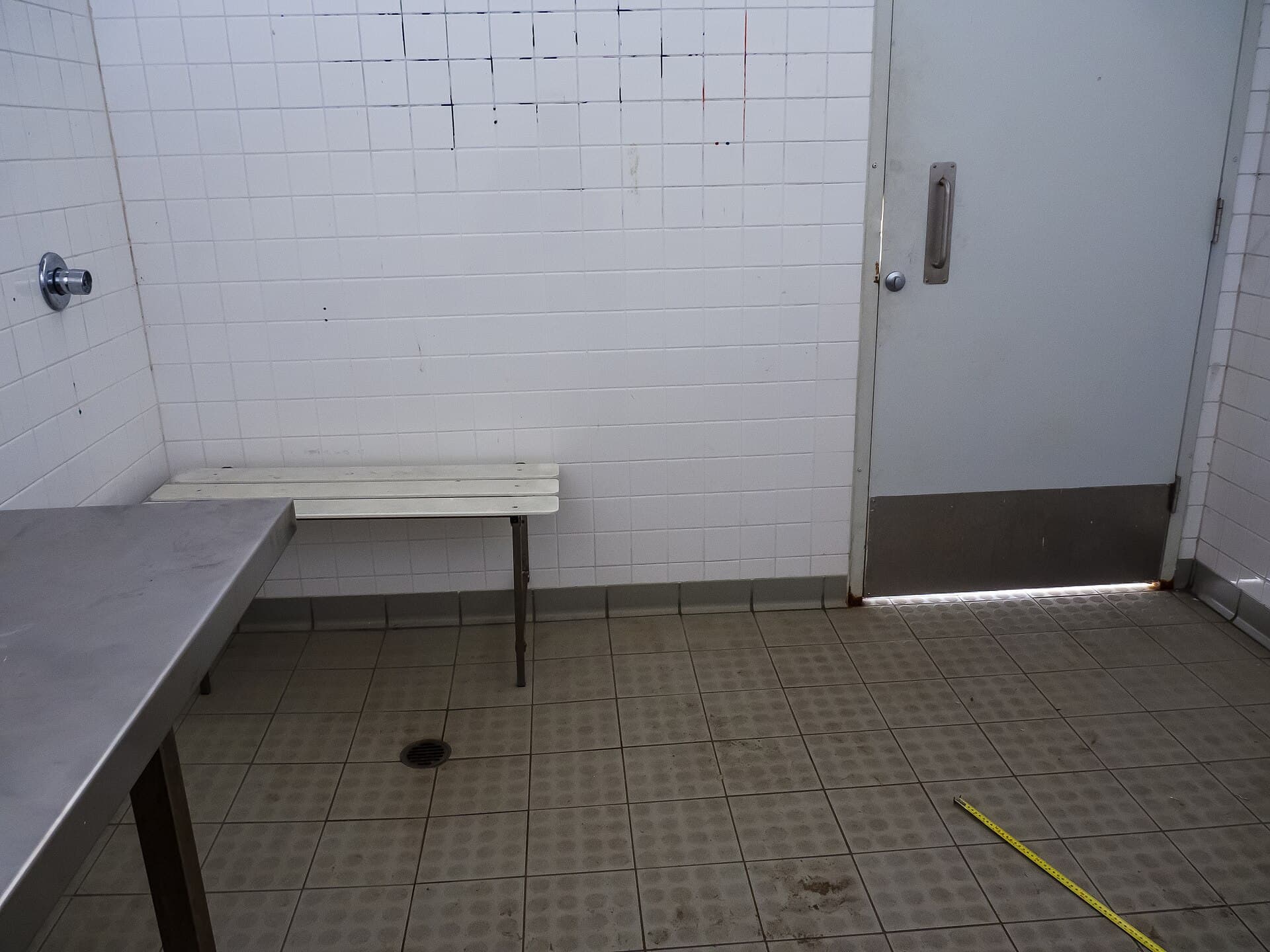
Photo: Accessible shower, Moora Park, Shorncliffe by John Robert McPherson, via Wikimedia Commons, licensed CC BY-SA 4.0. Also listed on the image credits page.
Plenty of Australian bidet seats are bought by adult children who have seen a parent come out of the bathroom slower than they went in. The conversation is awkward. The hardware does not have to be.
Ageing is not one disability. It is a pile of small losses: rotation, grip, eyesight, pride. A seat that washes and dries answers three of those without asking anyone to narrate them.
Start with the morning, not the catalogue
Can they reach? Can they see the icons? Will cold water mean they never press the button? Is the pan the right height? Is there already a rail, or only a towel ring pretending to be one?
Disability and independence is the broader frame. Carers is the labour frame. This page is the family conversation.
Features that respect tired hands
Large, obvious controls. A remote on a cradle that does not fall in the pan. Warm water. A dryer if paper is the fight. A heated ring if the bathroom is a fridge — heated seats are not frivolous in a weatherboard house.
Skip modes nobody will remember. The features glossary is a shopping list you can shorten.
Teaching beats gifting
Install it, then stay. Sit on a chair — not on the closed lid — and talk through the first-time routine. Leave a card. Come back on day three. A gifted appliance that nobody uses is how families decide “Mum didn’t like the bidet” when Mum could not find rear wash.
The rest of the room still counts
Rails, lighting, a non-slip floor and a plumber who will not leave a trip hazard of hose. Fitting the seat and a licensed plumber are safety essays as much as compliance essays.
If funding is an aged-care package rather than NDIS, read carers and aged care. If it is NDIS, read NDIS funding. Either way, which bidet seat for you is the choosing page you can send in the group chat.
The accessibility hub keeps these pieces together so a seat does not arrive without a plan for the floor.
Questions readers actually ask
- Is a bidet seat a good idea for older people?
- Often yes, when wiping, reaching or standing become hard. It should sit beside rails and a safe pan height, not instead of them.
- Will a parent actually use it?
- They will if the water is warm, the buttons are obvious, and someone sits with them for the first three days. A remote with twenty icons and no card will become a lid again.
- Can it reduce the need for home-care visits?
- It can reduce the most intimate part of a visit. It does not automatically change a care package, and it does not make transfers safe.
Keep reading
- Bidets after surgery or injury
Temporary bathrooms after hips, bowels, births and broken shoulders — how a bidet seat helps when reaching is the injury.
- Bidets for carers and aged care
What a bidet seat changes for the person who currently finishes someone else’s hygiene — at home, in a facility, or on a package.
- NDIS funding for bidet seats
How bidet seats show up in NDIS conversations — assistive technology, home modifications, evidence, and the claims a brochure cannot make.